
History, trends and modern drinking culture
The history of cocktails is a story of social, technological, and cultural changes. From the simple mixes of the 19th century to modern, sophisticated compositions, cocktails reflect the lifestyle of successive generations. Their history, changing trends, and guest preferences show how much these drinks have evolved – from uncomplicated mixtures to the sophisticated art of mixology.
The origins of cocktails date back to the 19th century and the birth of mixology
The first mentions of cocktails appeared as early as 1806 in the United States. Initially, they were simple mixtures of alcohol, sugar, water, and bitters. Over time, they began to develop into more complex flavour and aroma compositions. Techniques for their preparation and serving started to be modified, and cocktail decorations were diversified.
A key moment in history was the 1862 release of the first bartender's guide – „Jerry Thomas’ Bartenders Guide”. This publication standardised drink preparation techniques and ushered in the professional art of bartending. This book became the manual for bartenders at Dom Whisky Cocktail Bar.
In the 19th century, cocktails began to be treated not only as drinks, but as a form of art – new bar tools, mixing techniques, attention to presentation aesthetics, and a precise selection of flavours emerged.
The Prohibition era in the USA (1920-1933) paradoxically contributed to the development of cocktails. The alcohol was often of low quality, so bartenders masked its taste with additions – juices, syrups and spices. Many classic drinks were created during this time, such as: Sidecar, Bee’s Knees, Mary Pickford.
The 1950s to the 1970s
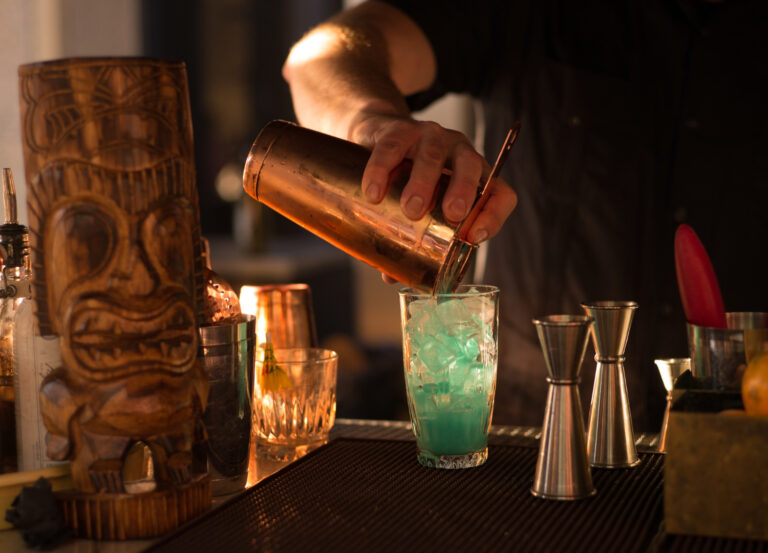
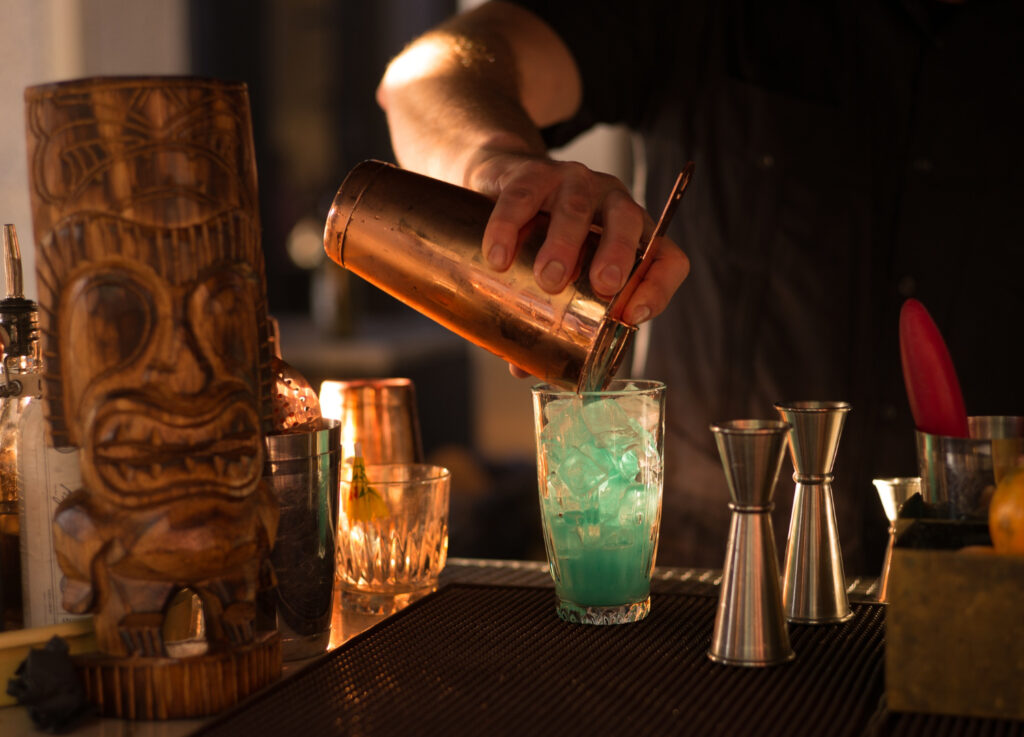
After the Second World War, there was a boom in cocktails, especially in the USA and Europe. Exotic drinks (such as tiki) gained popularity, and cocktails began to be associated with mass culture and entertainment. However, in the 80s and 90s, the quality of cocktails declined. Little attention was paid to their aesthetic presentation, and quality products were not chosen. Ready-made mixes, sweet drinks, and uncomplicated concoctions dominated. In catering establishments, pure alcohol played the main role.
The dawn of the 21st century brought a renaissance of classic mixology
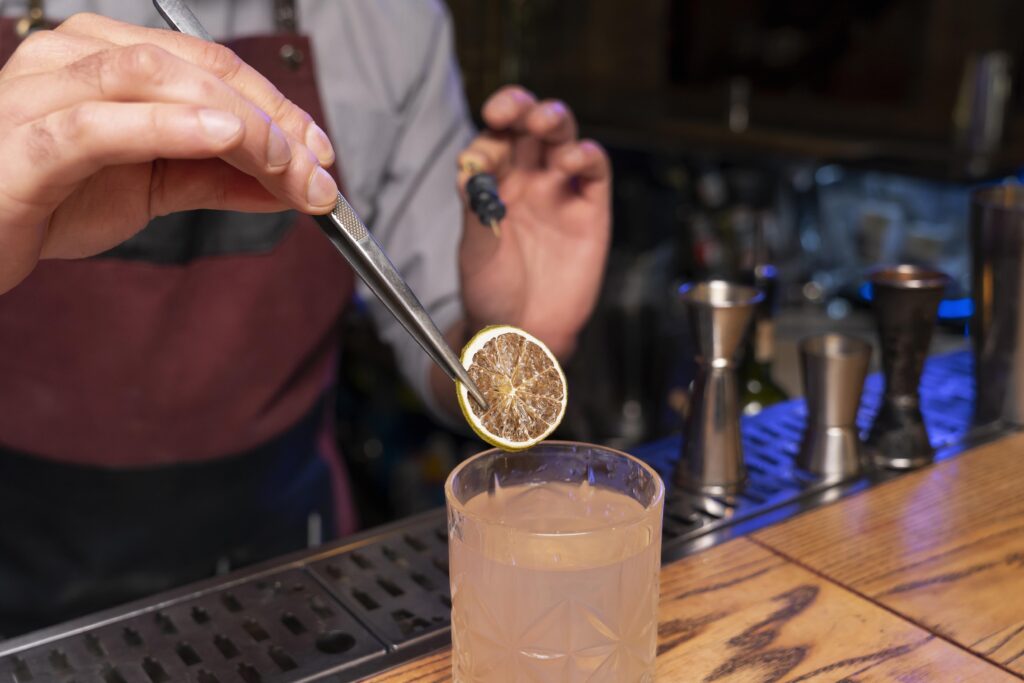
Modern bartenders have begun to return to classic recipes, use fresh, local ingredients, experiment with techniques (e.g. infusions, fermentations), and give their creations a dedicated appearance, preparation method, or presentation style. Cocktails are currently undergoing another transformation. Social awareness and rising quality demands have a very significant impact.
The most important trends observed in recent years are:
1. Low & No Alcohol
Low and no-alcohol cocktails (so-called „NoLo”) are growing in popularity. This segment is growing globally by several percent annually. Dom Whisky is one of the larger distributors of NoLo on the Polish market, boasting interesting collections in its brick-and-mortar and online stores.
2. Back to classics
Classic drinks like the Dry Martini or Negroni are returning in modern versions – more minimalist and high-quality.
3. Personalisation and Experience
Cocktails are now part of the dining experience – often tailored to the guest or served in food pairings.

Who drinks cocktails? – age groups and social changes
In our Dom Whisky Cocktail Bars, we observe both age-related trends and specific preferences.
Young adults (18–30 years of age) they most often reach for cocktails, in which they prefer new flavours, aesthetics and experiments, they more often choose low/no alcohol options, their lifestyle and the „instagrammability” of drinks are important to them.
Adults (30–50 years) they choose cocktails more consciously, valuing the quality of ingredients and classics, and more often drink them occasionally, while seeking original flavours, interesting or unusual editions, unconventional tastes, and hints of history. This group of our guests is very discerning in taste and highly specific in their expectations.
Generations (50+) They reach for cocktails less often. They more frequently choose traditional spirits served neat, however, there is also growing interest in lighter and more elegant drinks.
Cocktail fashion – then and now
History tells us that cocktails were once a symbol of luxury and elegance (the 1920s), an element of mass culture and entertainment (the 1950s–70s), and later saw a decline in quality and became commercialised.
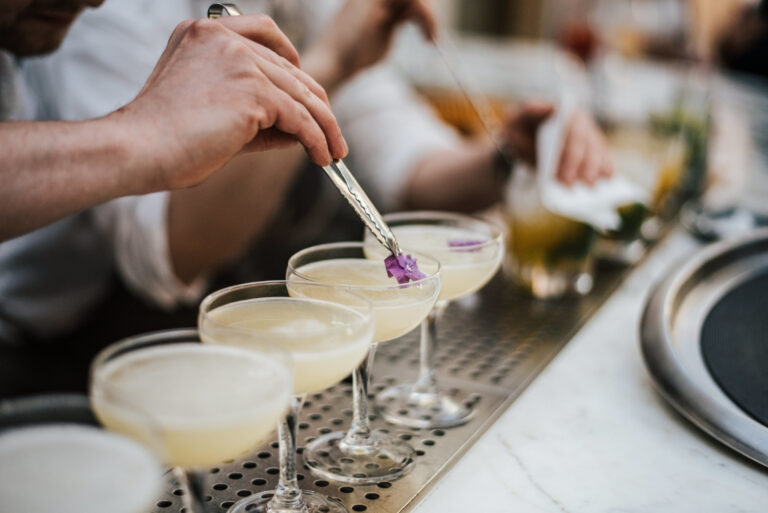
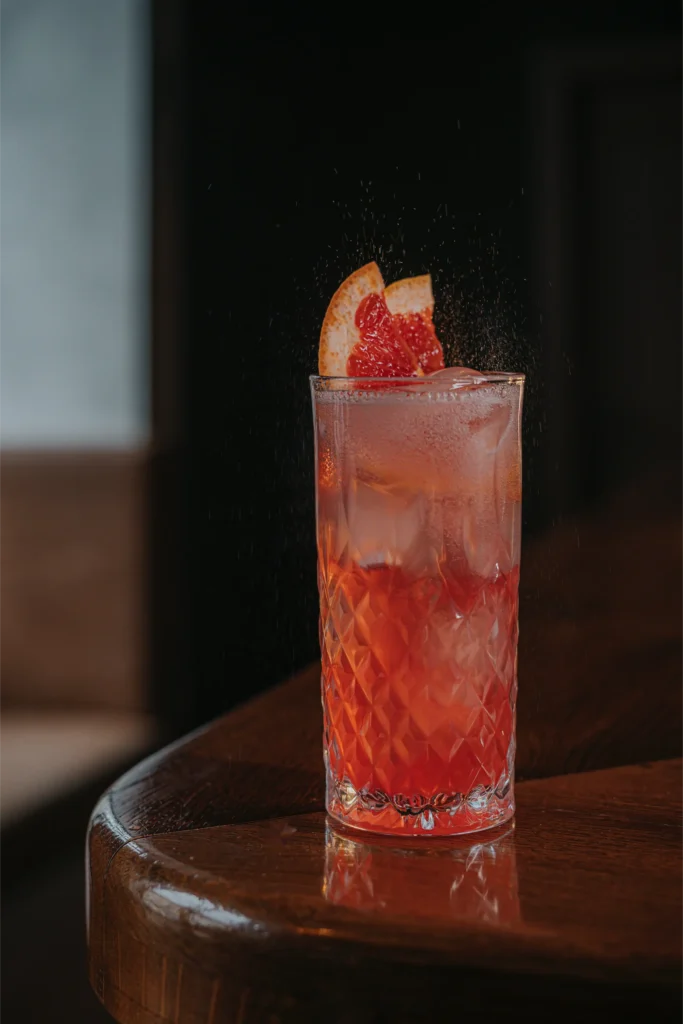
Today, we are observing a return to noble craftsmanship and quality, with an emphasis on health and conscious choices. The development of bar culture and experiences, encompassing taste, quality, aesthetics, and visual appeal, is very evident. Social media has a strong influence on the overall picture today.
One of the elements of today's cocktail experience are cocktail workshops, where guests not only learn about the history of the products, but also about flavour pairing and preparation techniques, and such workshops are held at every location in Dom Whisky Cocktail Bar. We conduct workshops using products that are also available in our brick-and-mortar stores and online shop.
We are currently seeing a clear shift towards quality, personalisation, and health. Cocktails are ceasing to be merely alcoholic beverages – they are becoming an element of experience, culture, and lifestyle.
Sebastian Mikulski, Director of the Dom Whisky Bar Network