
Introduction
On the surface, the world of whisky seems complex and difficult to understand. The different countries of origin, the different styles of production, the types of casks used or the length of maturation can cause consternation. This raises the basic question of whether it is better to choose single malt or blended whisky?
The answer is not clear-cut, as the two styles represent a completely different approach to taste creation. Understanding this difference allows you not only to make the right purchase but, above all, to enjoy the tasting more.
What is single malt whisky
Single malt whisky is a distillate produced at a single distillery, exclusively from malted barley and distilled in traditional copper stills. Although the definition seems simple, there are a huge number of factors behind each bottle that contribute to its character.
The flavour of a single malt is influenced by, among other things, the source of the water, the length of fermentation, the shape of the alembics, and the type of casks used for maturation. The type of cask is crucial to the whisky's flavour profile. Aging in bourbon casks imparts notes of vanilla and coconut, while sherry casks bring aromas of dried fruit, spice and chocolate.
As a result, each distillery creates its own unique style. For example, The Macallan is renowned for its rich character, with distinct spice notes, while Glenfiddich offers a lighter, fruitier profile. Ardbeg, on the other hand, represents the intense, peaty and smoky style of the Isle of Islay.

What is blended whisky and where did it come from
Blended whisky is a blend of different types of whisky - both malt and grain - often from multiple distilleries. Its creation was a response to the development of alcohol production technology through the invention of the column distiller (Coffey still), which enabled the creation of lighter alcohol on a large scale.
A key role in the production of blended whisky is played by the master blender. Historically, this role dates back to 19th century whisky merchants and traders who began blending different distillates, bridging the differences between batches and vintages. It was they who laid the foundation for today's blending, transforming whisky from a local product into a global commodity with a recognisable style. This practice led to the creation of iconic brands such as Johnnie Walker, Chivas Regal and Ballantine's, which still owe their popularity today to the skilful blending of tradition and precision flavour creation.
Differences in taste and style
The most important difference between single malt and blended whisky concerns the way the flavour builds.
Single malt usually offers greater intensity, complexity and variety of experience. The aromatic profile can be multi-layered, from fruit to spice to smoky or maritime notes. It's a whisky that can surprise and change in the glass as it ages, and opens up with the addition of a drop of water.
Blended whisky, on the other hand, focuses on balance. By combining different distillates, the taste is more mellow, harmonious and predictable. This makes it easier to enjoy, especially for beginners.
Which whisky to choose depending on the occasion
Choosing the right whisky should depend primarily on the situation, the purpose of the purchase, the level of experience, taste preferences and budget.
When searching for an elegant gift, not knowing the gift recipient's preferences, a safe choice would be a quality blended whisky. Bottles such as Chivas Royal Salute The Signature Blend 21 year old or Johnnie Walker Blue Label offer not only an exceptionally smooth taste, but also a prestigious visual appearance.
If you want to gift a more refined whisky, single malt is the way to go. The Macallan 18 Year Old Double Cask or Glenfiddich 21 year old Gran Reserva are examples of whiskies that combine elegance with aromatic richness and are appreciated by a more discerning audience.
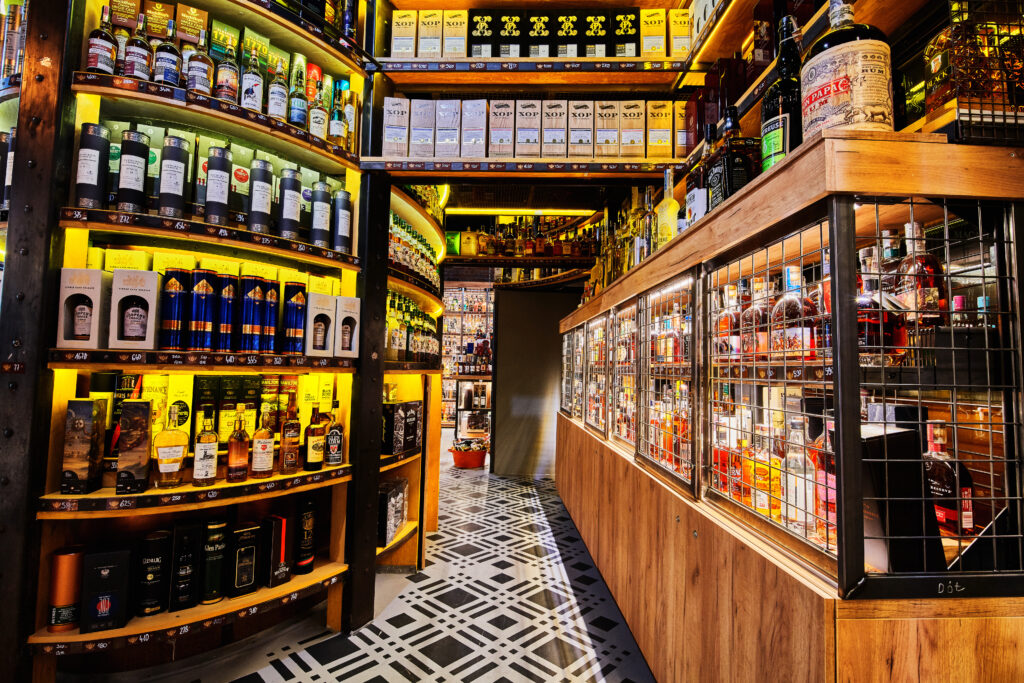
For social gatherings and as an everyday whisky, both light single malts and approachable blends work well. Bushmills 14 Year Old Malaga Cask Finish is an example of a barley whisky that combines sweetness and balance, so it will work well both neat and on the rocks.
In turn Dewar's 12 year old or Monkey Shoulder are great choices for looser drinking. Blended whisky has a distinct advantage when making multiple cocktails. It blends easily with ingredients and does not dominate the whole composition. The unaffordable price and mild profile allow us to enjoy our favourite spirit with a larger group.
For those seeking an intense taste experience, single malts from the Isle of Islay will be of particular interest. This region is famous for its harsh climate, which translates into a distinctive style of whisky - peaty, smoky and maritime.
Bottles such as Ardbeg 8 Year Old For Discussion or Octomore Edition:15.3 Are among the most distinctive whiskies in the world. Their profile is not for everyone, but for many connoisseurs they represent the pinnacle of the tasting experience.
Japanese whiskies, which combine Scottish tradition with exceptional precision, are also an interesting alternative. Nikka Miyagikyo and Hibiki Harmony offer subtlety, balance and elegance, standing out against classic Scottish styles.
When to choose single malt and when to choose blended
The best way to discover the world of whisky is to compare the two styles in practice. By tasting one good blend and one single malt, you can quickly spot the differences in aroma, structure and intensity of flavour.
It is advisable to carry out the tasting in a relaxed environment, without rushing. It is crucial to pay attention to the aroma before the first sip and to watch how the whisky changes in the glass. Adding a few drops of water often helps to bring out additional aromatic notes. The temperature at which the whisky is consumed is also important; the colder the alcohol, the smaller the spectrum of aromas we can find in it.
Single malt works best when we want to focus on tasting and discovering flavours. In particular, when we are interested in analysing flavours, comparing regions and consciously discovering differences between distilleries.
It's a good choice for a quiet evening, a special occasion or an informed exploration of the world of whisky.
Blended whisky has been designed to be more approachable, mellower, balanced and easier for a wide range of consumers. Choosing this whisky will be better for beginners and in everyday situations, it will work well both for drinking solo and as a base for drinks.
Summary
The choice between single malt and blended whisky depends primarily on the occasion, experience and individual taste preferences. Blended whisky has a smooth, balanced profile, repeatability and versatility, making it an ideal choice for beginners and everyday drinking. It is also perfect as a base for cocktails and drinks, as it blends easily with ingredients without dominating the overall composition.
Single malt, on the other hand, offers the richness of aromas, distinct character and individual style of each distillery, making it best suited to an informed tasting. This type of whisky allows you to discover the differences between regions and casks, and observe how the flavour changes in the glass as time passes or water is added.
It is worth considering both styles as complementary elements of the home bar. Blends will work well on a day-to-day basis, while single malts will be the choice for special occasions or for collecting.
Ultimately, it all comes down to choosing whisky consciously, matching it to the occasion and your own taste preferences. If we understand the differences between single malt and blended, it will be easier to fully appreciate the wealth of aromas and flavours that the whisky world offers.

Text: Mateusz Derewiecki, Store Manager Dom Whisky Krucza 16/22, Warsaw