
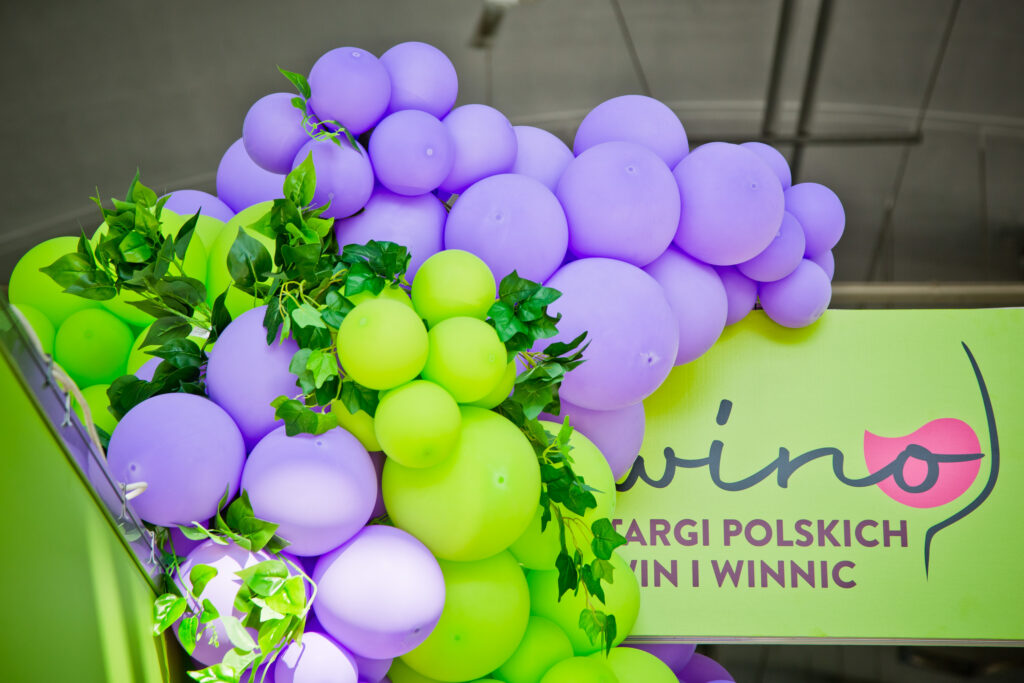
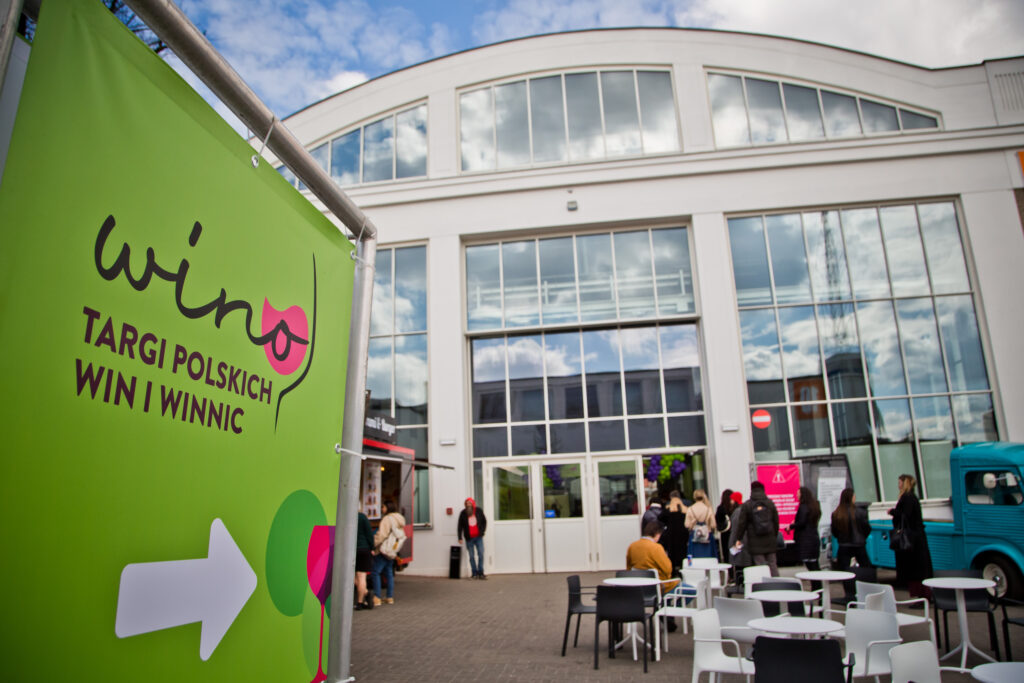
Expert voice from the Polish Wines and Wineries Fair in Poznań.
Last Saturday, during the Polish Wine and Vineyards Fair in Poznań, a lecture titled „Is Polish wine premium?” was held, led by Ewa Relidzyńska – an expert specialising in premium segment wines and champagnes.
Right from the start, Ewa pointed out the apparent contradiction contained within the question itself. „Premium Polish wine” still sounds like an oxymoron to many. And yet, market reality shows something entirely different – an increasing number of consumers are willing to pay prices for Polish wines comparable to those for Burgundy, Champagne, or renowned German regions.
Premium – so what exactly?
The key point of the lecture was to clarify the very concept of „premium”. As Relidzyńska points out, the biggest mistake is equating it solely with price.
Premium does not mean „expensive”.
An expensive product can be average, and a premium product doesn't have to be the most expensive.
The most apt definition she proposed was the statement:
„Premium is not a price. It's the value a customer is willing to accept.”
This shift in perspective – from price to value – allows us to better understand what the premium segment truly is.
To clarify the subject, the expert identified four key pillars of premium wine:
Quality
To the foundation. Premium wine must be:
- repeatable in terms of quality,
- balanced,
- flawless.
It's not about a one-off effect, but about year-on-year stability. Harmony is key – the absence of dominant alcohol, aggressive acidity, or harsh tannins. It is balance that builds elegance.
2. Origin (terroir)
Premium must have a clearly defined origin. It is the terroir – soil, climate, aspect, and microclimate – that gives the wine its unique character.
It is not technology or marketing, but the place and its potential that determine the authenticity of a product.
3. History and storytelling
The modern consumer no longer just buys wine – they buy an emotion, an idea, and a story.
Crucially, history doesn't have to be hundreds of years old. It can be young, but it must be:
- authentic,
- Coherent,
- consciously built.
4. Limited availability
Premium wines are not mass-produced. They are characterised by:
- small-scale production,
- year group selection,
- Limited distribution.
They are not available „everywhere”, which builds their uniqueness.
Poland – a new player or a return to roots?
One of the most interesting threads of the lecture was the historical perspective on Polish winemaking. As the speaker emphasised, Poland isn't starting from scratch – it's returning to its tradition.
The first vineyards were established as early as the 10th century, mainly around monasteries. In the Middle Ages and the Renaissance, winemaking flourished – wine was a common drink, and vineyards stretched from Małopolska to Silesia.
The downfall was brought about by:
- climate change,
- wars,
- competition from imported wines,
- phylloxera.
After the Second World War, the tradition almost disappeared.
The revival only began in the 80s, with a real boom occurring after 2000 and Poland's entry into the European Union.
Today
- it works ok. 600 winnic,
- small, family-run projects are dominant,
- The climate is conducive to wines with high acidity and freshness,
- Poland is experiencing the greatest development in winemaking history.
Poland vs. the premium segment – a confrontation
Ewa didn't shy away from difficult questions. On the one hand, she pointed out arguments suggesting that Polish wine could be premium:
Arguments for„
- Small-scale production boutique feel
- Craftsmanship – personal commitment from the producers
- Unique climate – a cool style of wine, much sought after today
- Authenticity – true, often family stories
- The potential of sparkling wines – natural acidity as an advantage
Arguments „against”
- High price vs. quality perception
- Low recognition of Poland as a wine-producing country
- Inconsistent quality between manufacturers
- A Brief Modern History
These tensions are what define the current stage of development of Polish winemaking.
Examples that change perspective
The speaker cited specific examples demonstrating that Polish wine can meet premium criteria.
Sparkling wines produced in Poland using the traditional method are equal in quality to their European counterparts, although they differ in style due to their terroir.
Solaris – often criticised – has become a symbol of Polish winemaking, much like Robert Lewandowski in football. It's a grape variety that has paved the way and built recognition.
Pinot Noir from Poland's cool climate gains a unique character, impossible to replicate in warmer regions.
Meanwhile, family vineyards, like Silesian, demonstrate the power of storytelling, where wine becomes a tale of people, place, and values.
So... is Polish wine premium?
The answer isn't black and white.
Polish wine
- Today can already be premium quality and local,
- it has enormous global potential,
- is in the process of building their identity.
As Ewa Relidzyńska summarised:
„Premium is a process, not a status.”
Poland is right now in this process – at a moment when history is being made.
And although it's not always perceived as a premium wine country yet, the direction is clear. Polish wines are already appearing in Michelin-starred restaurants, and their quality is improving year by year.
Conclusions
Polish wine doesn't need to pretend to be Burgundy or Champagne. Its strength lies in its distinctiveness, freshness, and authenticity.
This is not a story about whether Poland will „catch up” with the world.
This is a story about how he begins to write his own chapter in the world of premium wines.
And all indications are that it will be a chapter that cannot be ignored.